WHAT IS GHK BLUE COPPER PEPTIDE?
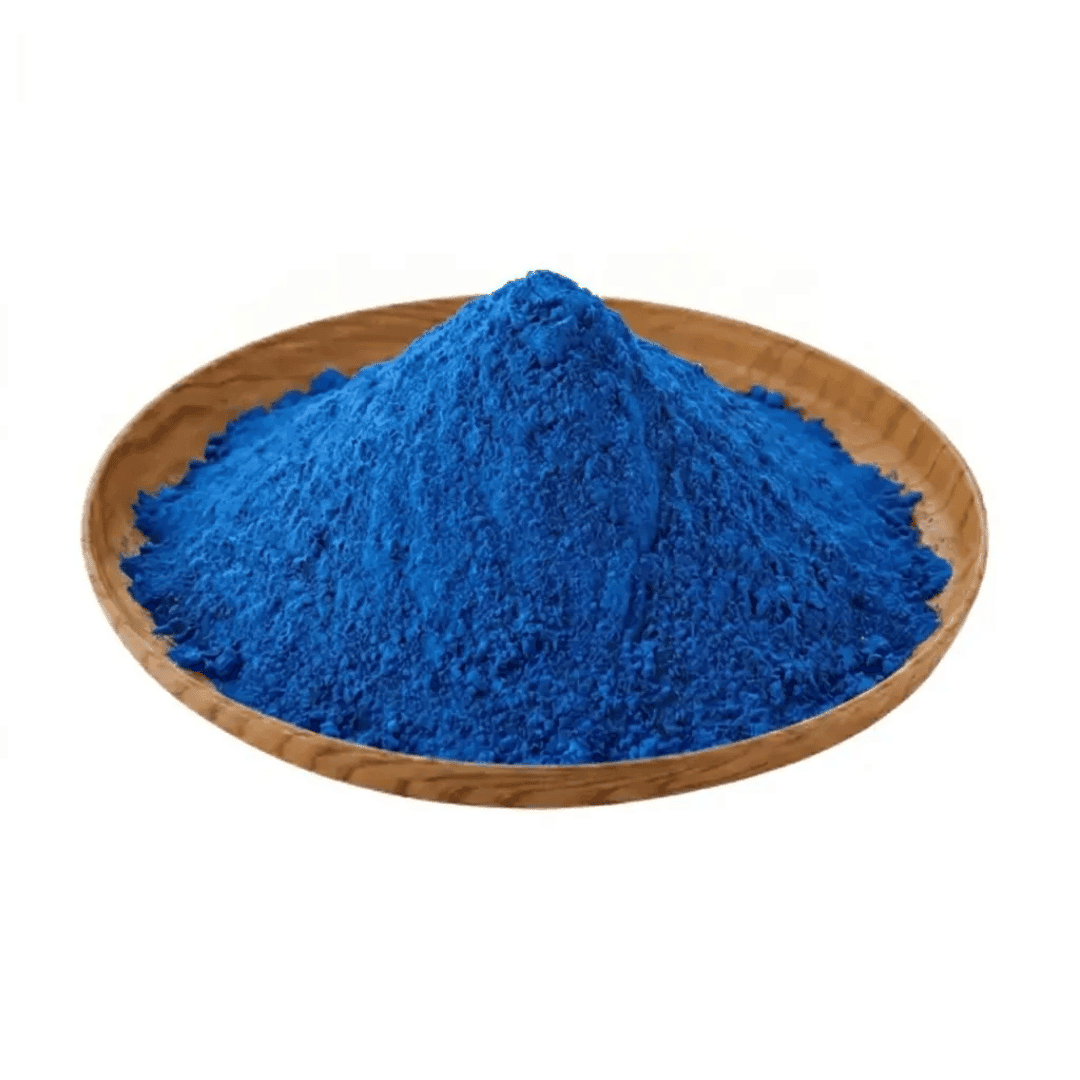
Blue copper peptide is a carrier peptide formed by tripeptide-1 bound to copper ions. The copper ions deliver anti-inflammatory and cellular repair benefits. This ingredient is a versatile workhorse in anti-aging and skin restoration: it provides strong antioxidant protection, stimulates the synthesis of collagen and elastin fibers, suppresses MMP activity, and helps repair DNA damage. It is gentle, requires no tolerance-building period, and is well suited for sensitive skin.
Efficacy on Human Skin
The performance of GHK Blue Copper Peptide is rooted in its molecular action, driven by the synergy between the copper ion and the tripeptide:
Stimulate Collagen and Elastin Production
GHK-Cu activates fibroblasts, boosting the manufacture of type I and type IV collagen and elastin to improve skin firmness and resilience.Antioxidant and Anti-inflammatory Defense
Acting as a cofactor for superoxide dismutase (SOD), copper ions scavenge free radicals and reduce the release of inflammatory mediators such as TNF-α and IL-6, helping to calm sensitive and reactive skin.Barrier Restoration and Wound Healing
It upregulates tissue inhibitors of metalloproteinases (TIMPs), curbing excessive collagen breakdown and speeding up epidermal repair. Clinical evidence shows it can shorten post-procedure recovery time.Anti-glycation and Photoaging Protection
The peptide inhibits the formation of advanced glycation end products (AGEs) and reduces UV-induced overexpression of matrix metalloproteinases (MMPs), thereby delaying signs of photoaging.
Benefits of Blue Copper Peptides
- Tightens lax skin and restores thickness to aging skin
- Repairs and reinforces the skin's barrier proteins
- Diminishes fine lines and wrinkle depth
- Supports healthier hair growth and improved hair thickness
- Reduces discoloration, photodamage, and hyperpigmentation
- Potently suppresses aging-related transcription factors such as NF-κB
Application Considerations for Blue Copper Peptide Formulas
Chemical Stability
Copper ions are prone to displacement reactions with chelating agents (e.g., EDTA), acidic actives (vitamin C, glycolic acid), or anionic surfactants (like SLES), causing loss of activity or a color shift to green. Formulators must use a buffer system to keep pH between 5.5 and 7.0 and protect the active through microencapsulation.Transdermal Absorption Efficiency
With a relatively large molecular weight (around 400 Da), the tripeptide benefits from delivery systems such as liposomes or nanocarriers to enhance skin penetration. Some formulations combine it with small peptides like acetyl tetrapeptide for a complementary boost.Balancing Concentration and Irritation Risk
Typical effective concentrations range from 1–10 ppm (0.0001%–0.001%). Higher doses can trigger metal-sensitivity reactions, making strict dose control and clinical safety validation essential.Formulation Conditions
Excessive heat can deactivate blue copper peptide through thermal denaturation; temperatures above 40–50 °C are generally harmful. Strong agitation or high mechanical stress can also damage the peptide structure.Storage Requirements
Blue copper peptide must be kept in a stable environment. Exposure to light accelerates degradation, so products require light-protected packaging. Fluctuations in temperature and humidity will also compromise stability.
Raw Material Procurement
To source blue copper peptide powder for your formulations, contact Plant Extract Supply. Blue copper peptide is gentle and skin-compatible, with a safety risk score of 1, confirming its safe profile, although it is inherently prone to inactivation and requires careful handling to maintain stability.