UNDERSTANDING BERBERINE HCL
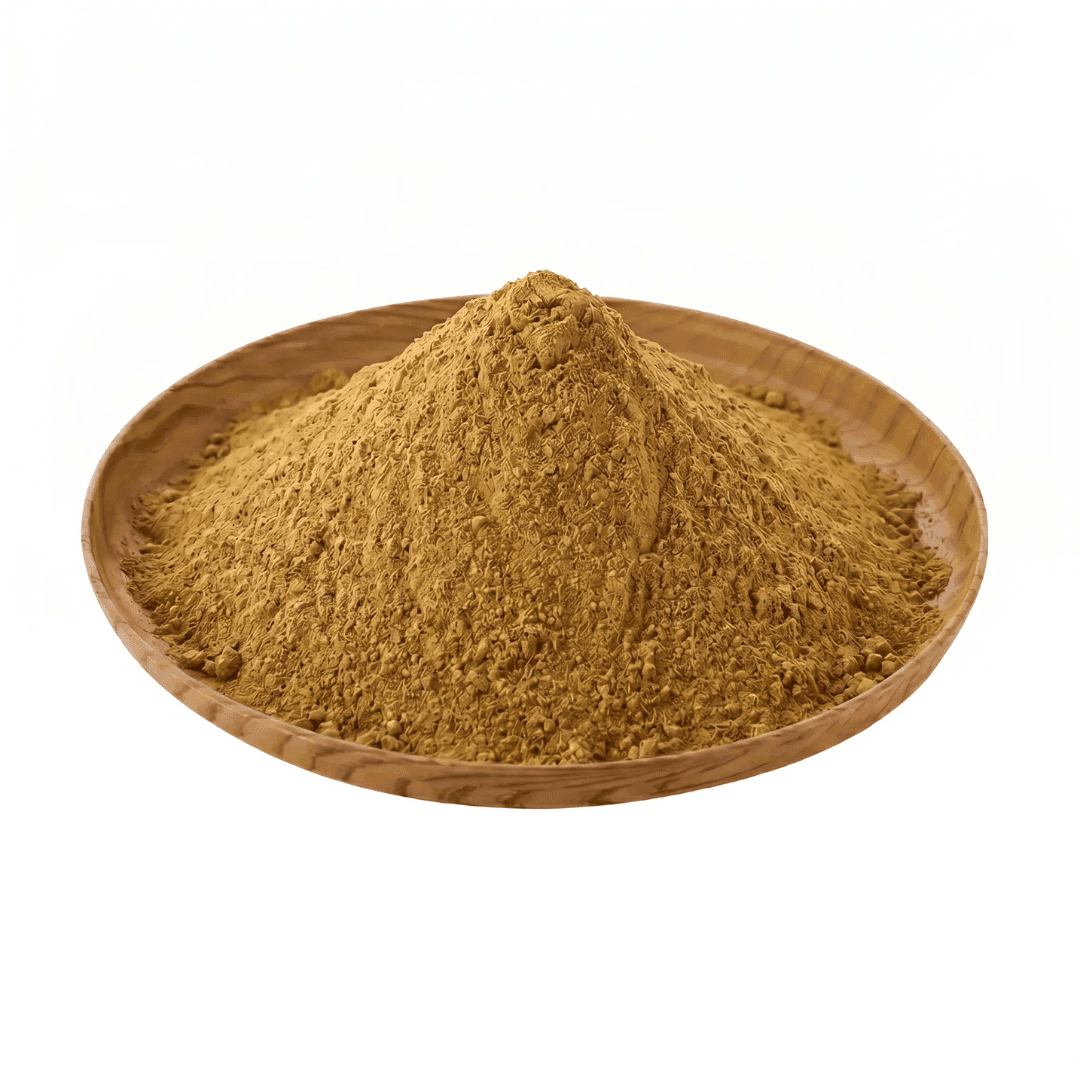
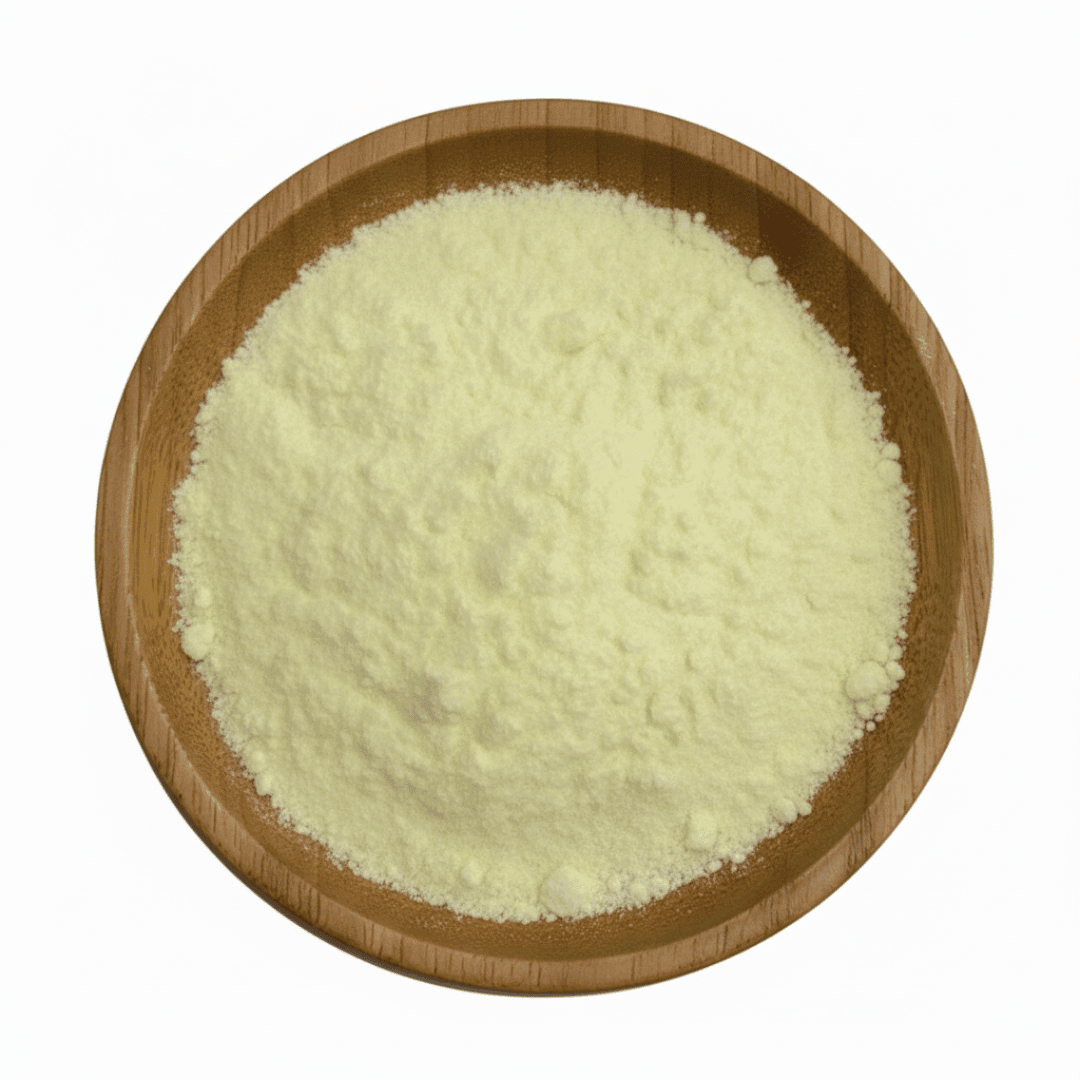
Berberine hydrochloride is a bioactive isoquinoline alkaloid that occurs naturally in a diverse range of botanical species. These include goldenseal, barberry, goldthread, Oregon grape, and tree turmeric. This compound is primarily concentrated in the roots, rhizomes, stems, and bark of these plants. It is characterized by its intense yellow pigment, which has historically made it valuable as a natural dye.
Berberine HCL Powder is an alkaloid derived from plants like Coptis and the Chinese cork tree. It is also available in a synthetically produced form. As a key ingredient for formulation, it possesses notable antibacterial, anti-inflammatory, and antidiarrheal properties, making it highly effective for managing intestinal infections and bacillary dysentery.
| Specification | 60%,97%,98% |
| Active Ingredient | Berberine HCL |
| OEM Service | As the Customers' Request |
| Sample | Available |
| Place of Origin | China |
| Test Method | HPLC |
| Heavy Metal | ≤ 10.0 mg/kg |
| Pb | ≤ 2.0 mg/kg |
| As | ≤ 1.0 mg/kg |
| Total Bacteria | ≤1000 cfu/g |
KEY APPLICATIONS OF BERBERINE
- Berberine is utilized to support management of diabetes, elevated blood cholesterol or lipids (hyperlipidemia), and hypertension.
- When applied topically, it aids in the treatment of burns and canker sores.
- Berberine HCL powder is effective for addressing gastroenteritis, bacterial dysentery, and various other intestinal infections, as well as conditions like conjunctivitis and suppurative otitis media.
INDUSTRY USES
- Incorporated into food and beverage products.
- Used in health and wellness formulations.
- Serves as an ingredient in nutritional supplements.
- Applied in the pharmaceutical industry for the production of capsules and tablets.