1. Introduction to Bilirubin Powder
Bilirubin (BR), a name derived from the Latin for "red bile," is an orange-red compound naturally formed within the metabolic pathway responsible for breaking down hemoglobin in vertebrates. This catabolic mechanism is essential for the body to expel waste generated from the natural aging or impaired destruction of red blood cells. The initial stage of bilirubin synthesis involves the separation of the heme molecule from hemoglobin. This heme is then metabolized through various processes into porphyrins, which differ based on the bodily site where this breakdown occurs. Consequently, the molecules eliminated in urine are distinct from those found in feces. The conversion of heme into biliverdin marks the first critical step in this pathway. Biliverdin reductase then catalyzes the second step, transforming biliverdin into bilirubin. The body ultimately further breaks down bilirubin, and its resulting metabolites are secreted via bile and urine. Abnormally high concentrations can be a clinical indicator of certain diseases. This pigment is responsible for the yellow hue of healing bruises and the yellowing of the skin and eyes indicative of jaundice. Its metabolic byproducts, like stercobilin, give feces their characteristic brown color, while a different derivative, urobilin, is the primary contributor to the straw-yellow color of urine.
While bilirubin is predominantly present in animals, it is also known to be found in at least one plant species: the cranberry.
2. Basic Information
| Property | Description |
|---|---|
| Product Name | Bilirubin |
| Specification | 99% |
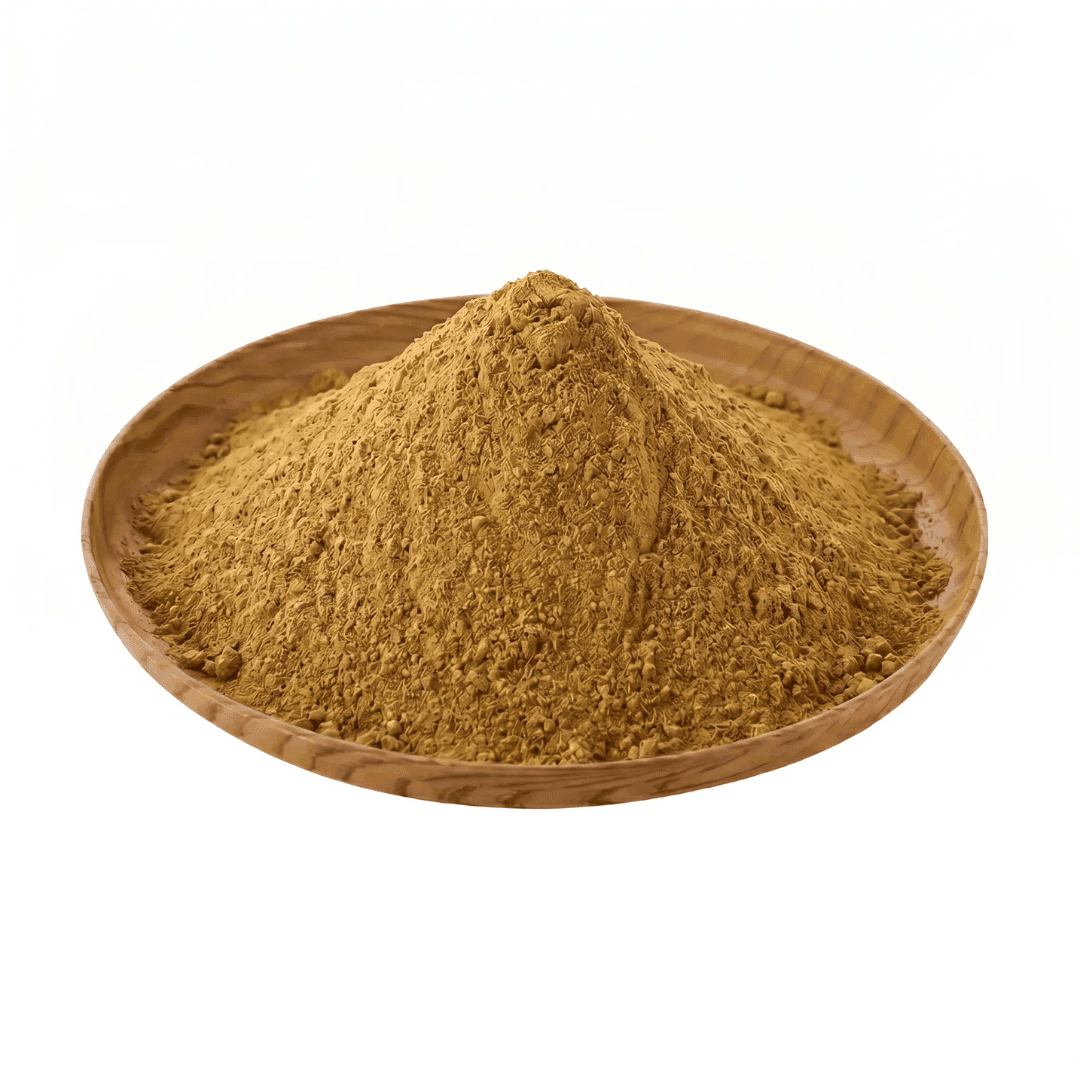
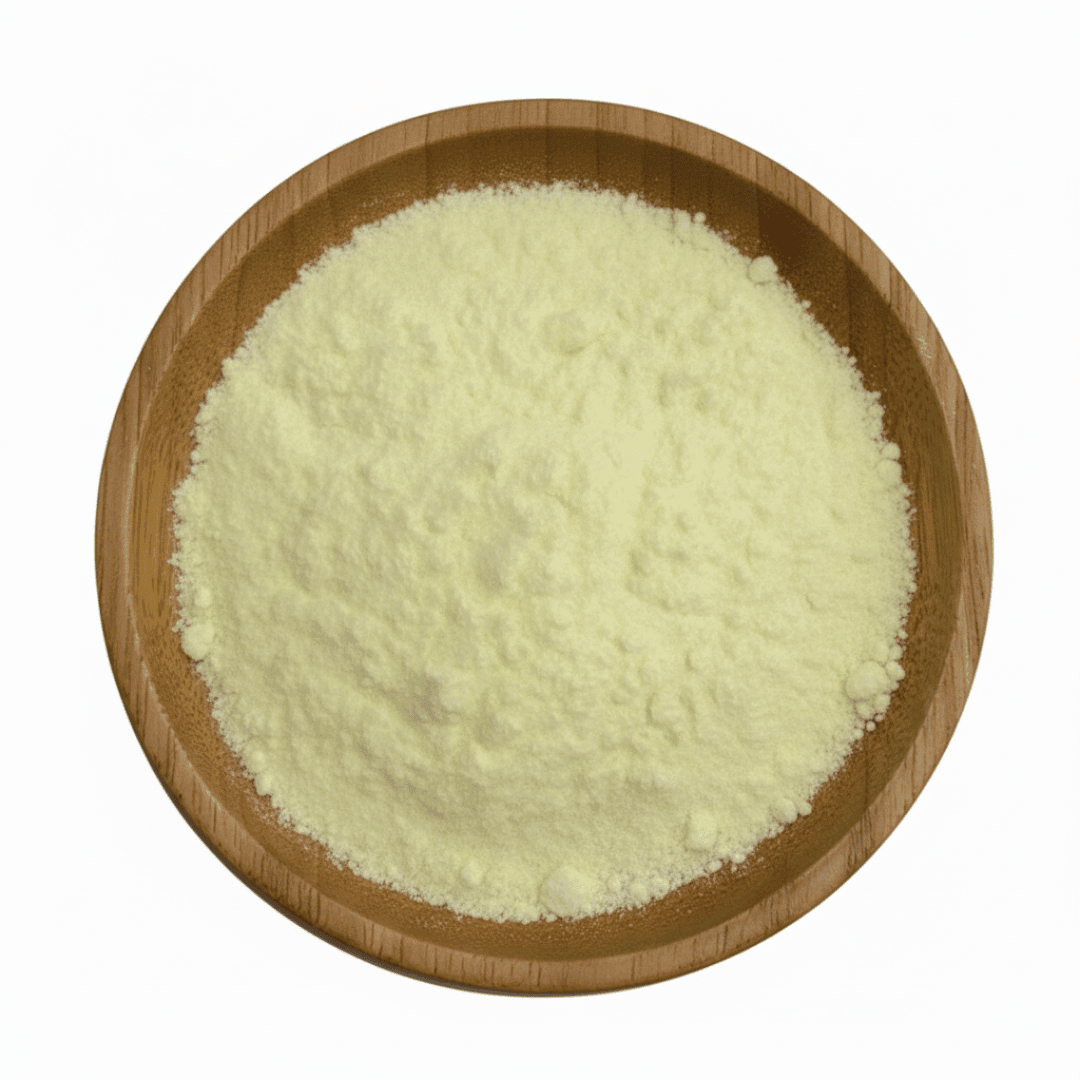
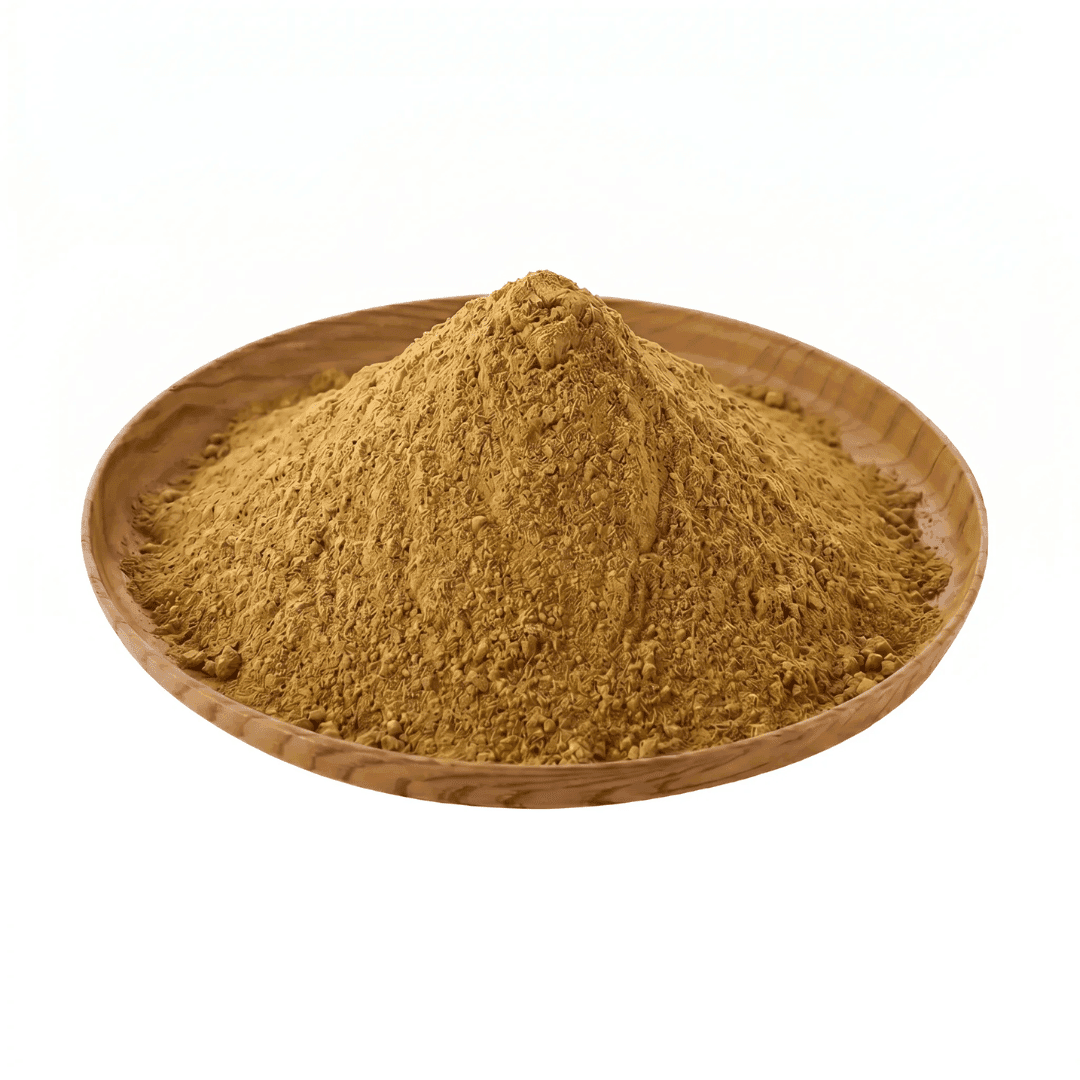
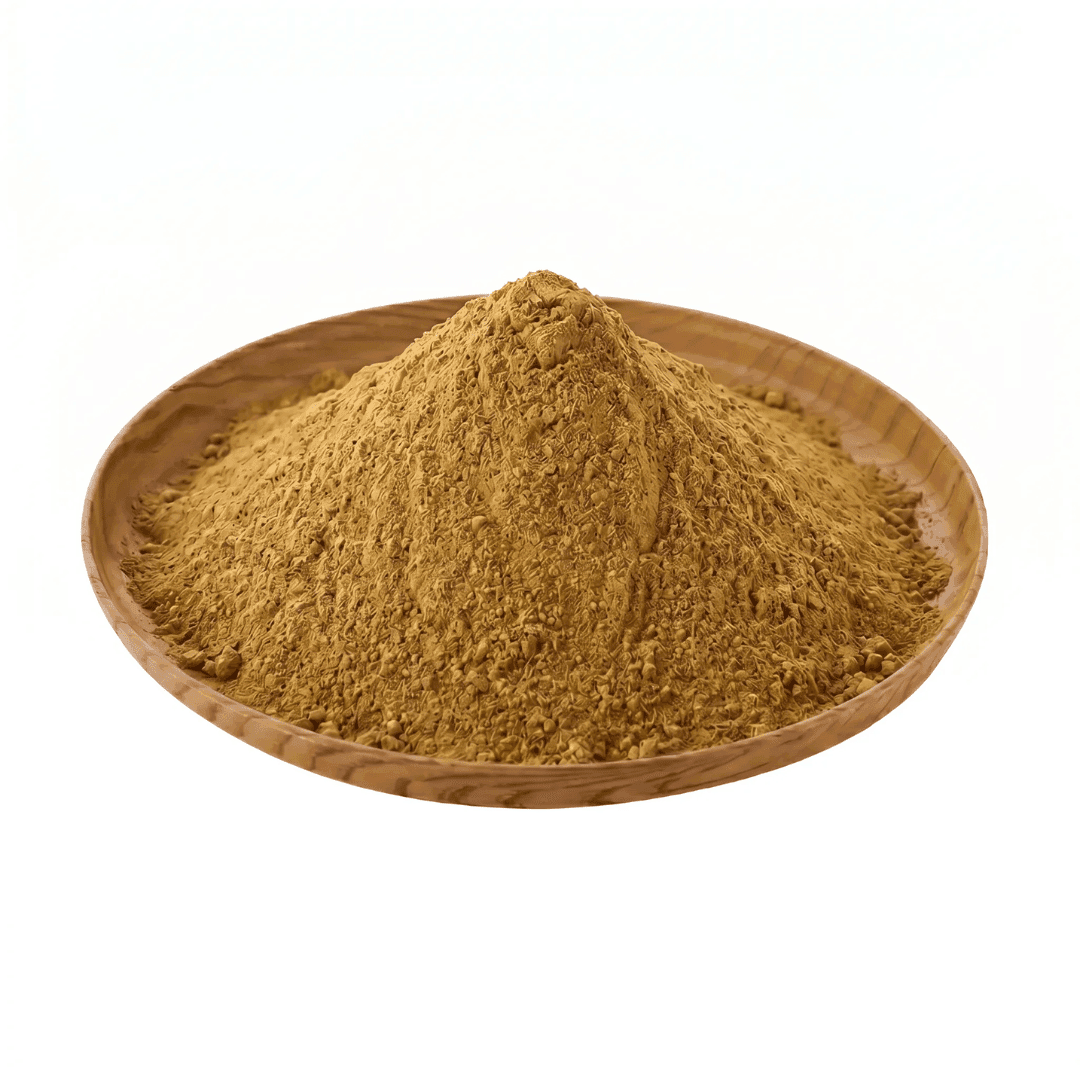
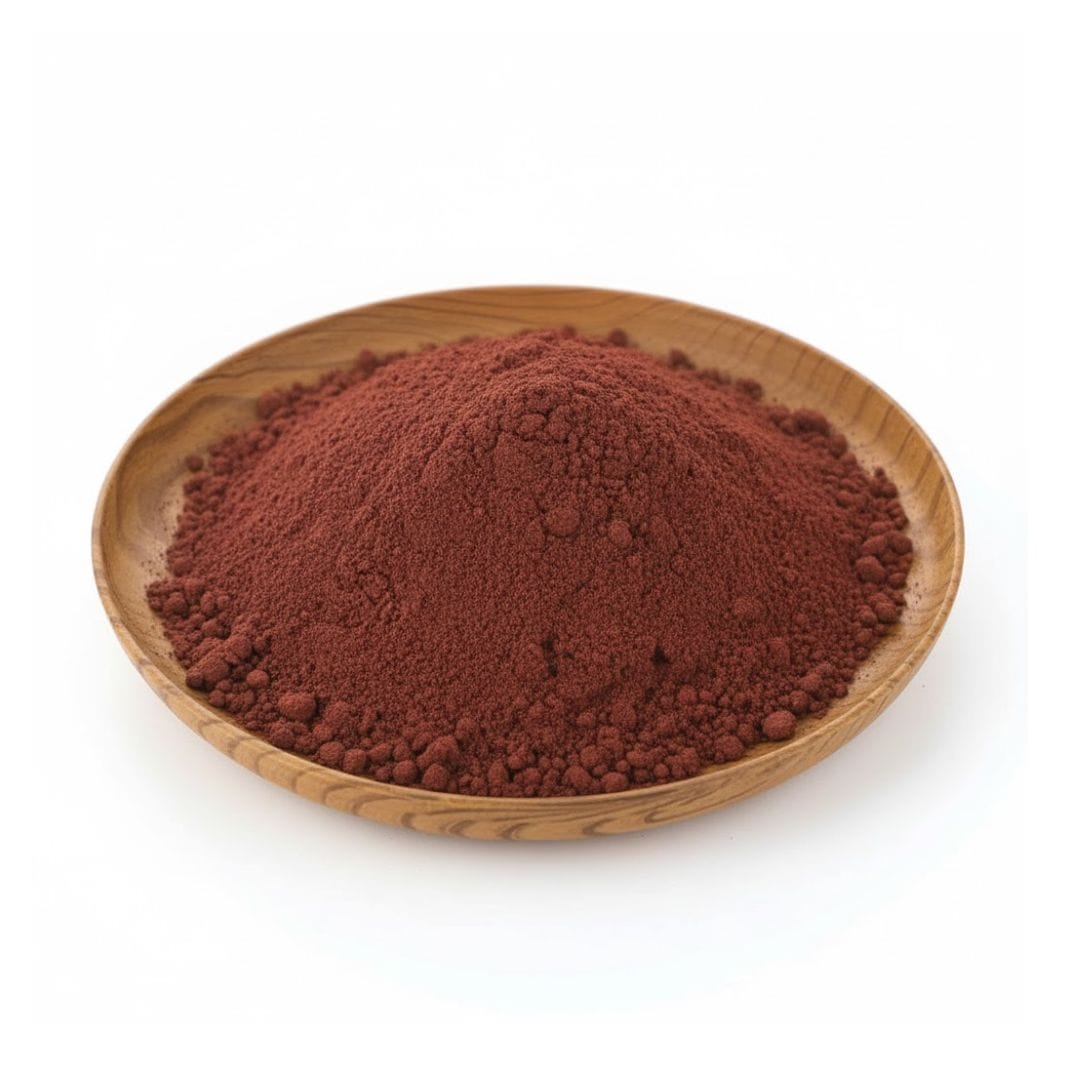
| Appearance | Red Powder |
| Melting Point | 641.7°C |
| CAS Number | 635-65-4 |
| Molecular Weight | 584.66 |
| Solubility | Practically insoluble in Chloroform, Benzene, Chlorobenzene |
3. Benefits and Functions of Bilirubin Powder
3.1. Antioxidant Activity
Bilirubin is generated when biliverdin reductase acts upon biliverdin, a green tetrapyrrolic bile pigment and a result of heme catabolism. Bilirubin itself can be oxidized, reverting back to biliverdin. This continuous cycle not only highlights the powerful antioxidant capability of bilirubin but also supports the theory that its main biological function is to serve as a cellular antioxidant. Consistent with this, research on animals indicates that the removal of bilirubin induces endogenous oxidative stress. The antioxidant property of bilirubin is believed to be especially vital in the brain, where it helps prevent excitotoxicity and neuronal death by neutralizing superoxide during N-methyl-D-aspartate neurotransmission.
3.2. Pharmacological Effects
Bilirubin possesses a range of pharmacological properties and serves as the principal raw material for producing synthetic bezoar. Pharmacological testing has demonstrated its efficacy in inhibiting W256 tumors, with an inactivation rate and inhibition index against B encephalitis virus that is 1-1.5 times greater than that of deoxycholic acid and bile acid. It is also an effective treatment for liver conditions, functioning to regenerate new cells without harming existing liver tissue, and is used to address serum hepatitis and liver cirrhosis. Furthermore, bilirubin exhibits sedative, analgesic, antipyretic (fever-reducing), antihypertensive, and red blood cell production-stimulating effects.
3.3. The Role of Bilirubin in the Liver
Bilirubin is a natural byproduct of red blood cell breakdown. This yellowish substance is present in bile, a liver fluid that aids in digestion. A normally functioning liver will clear the majority of bilirubin from the body. However, if the liver is compromised, bilirubin can seep into the blood, leading to jaundice—a condition marked by a yellow discoloration of the skin and eyes. Thus, a bilirubin test, which measures these levels, is a valuable tool for healthcare providers to help screen for and diagnose liver-affecting diseases.
4. Application of Bilirubin Powder
4.1. Artificial Formulation and Analysis
Used for the quantification of bilirubin in synthetic cow's milk, the preparation of artificial milk formulations, and for general biochemical research purposes.
4.2. Biochemical Research
Applied in analytical chemistry and biochemical studies. Employed in the synthesis of bovine flavors. Functions as a potent antioxidant, safeguarding membrane phospholipids from oxidation caused by hydrogen peroxide radicals. Offers neuroprotective benefits by preventing oxidative damage to neurons, even at nanomolar concentrations. As the major pigment in bile, it acts as an antioxidant and an efficient scavenger of hydrogen peroxide radicals, thereby protecting cellular membrane lipids from oxidation.
4.3. Clinical Applications
Bilirubin plays a significant role in diverse clinical applications due to its antioxidant, anti-inflammatory, and immunomodulatory characteristics. Bilirubin and biliverdin are utilized as photoactive elements in therapeutic diagnostics. Nanoparticle formulations incorporating bilirubin enhance the drug's solubility, stability, and target specificity. Bilirubin also serves as a multifunctional building block for constructing nanostructures. It is important to note that bilirubin levels are affected by numerous variables including smoking, age, gender, fasting, alcohol intake, and undiagnosed liver conditions, which can lead to discrepancies in study outcomes. This creates potential heterogeneity in the definitive serum bilirubin values applicable in clinical settings. Consequently, there is a substantial need for larger, prospective, and potentially randomized controlled trials to precisely define the role of bilirubin in various pathological processes.
5. Certificate of Analysis (COA)
| PRODUCT NAME: Bilirubin | BATCH: DHS20211119 |
|---|---|
| MANUFACTURE DATE: Nov 19, 2021 | EXPIRY DATE: Nov 18, 2023 |
| ANALYSIS ITEMS | SPECIFICATIONS |
| Characteristics | |
| Appearance | Red powder |
| Odor | Odorless |
| Taste | / |
| Physical & Chemical | |
| Inulin | ≥90.0g/100g |
| Fructose+Glucose+Sucrose | ≤10.0g/100g |
| Loss on drying | ≤4.5g/100g |
| Residue on ignition | ≤0.2g/100g |
| pH (10%) | 5.0-7.0 |
| As | ≤0.2mg/kg |
| Pb | ≤0.2mg/kg |
| Hg | <0.1mg/kg |
| Cd | <0.1mg/kg |
| Microbiological Control | |
| Total Plate Count | ≤1,000 CFU/g |
| Yeasts & Moulds Count | ≤50 CFU/g |
| E. coli | Negative |
| Salmonella | Negative |
| S. aureus | Negative |
The Premier Bilirubin Powder Supplier
Plant Extract Supply is a manufacturer with over 17 years of experience in exporting herbal extract powders from China.
Plant Extract Supply is a foremost manufacturer engaged in the research, development, production, sales, and service of cosmetic ingredients, healthcare ingredients, fruit and vegetable powders, food additives, and active pharmaceutical ingredients (APIs), along with traditional Chinese medicine raw materials. We are committed to producing high-quality, natural products for human health, with a core strategy of building mutually beneficial and win-win partnerships.
We operate two manufacturing facilities totaling approximately 40,000 square meters, situated in Xi’an, Shaanxi, China, with excellent transport access. Our location is proximal to the lush Qinling Mountains, a source of unique botanical resources that supply our company with superior raw materials.
Why Choose Plant Extract Supply's Bilirubin Powder?
From raw material selection through extraction to the final product, we manufacture standardized plant extracts in strict compliance with GMP standards, HACCP, EU USDA Organic, ISO, SC, and SGS requirements. Our products meet Kosher, Halal, and FDA registration standards.
We provide competitively priced products backed by third-party inspection reports to guarantee their safety for global use. Our customer satisfaction policy includes hassle-free returns and exchanges.
Plant Extract Supply maintains a safety stock of over 300 products, allowing us to dispatch free samples promptly.
Where To Buy Bilirubin Powder?
Bilirubin Powder is available in stock. Contact us now to request a sample!