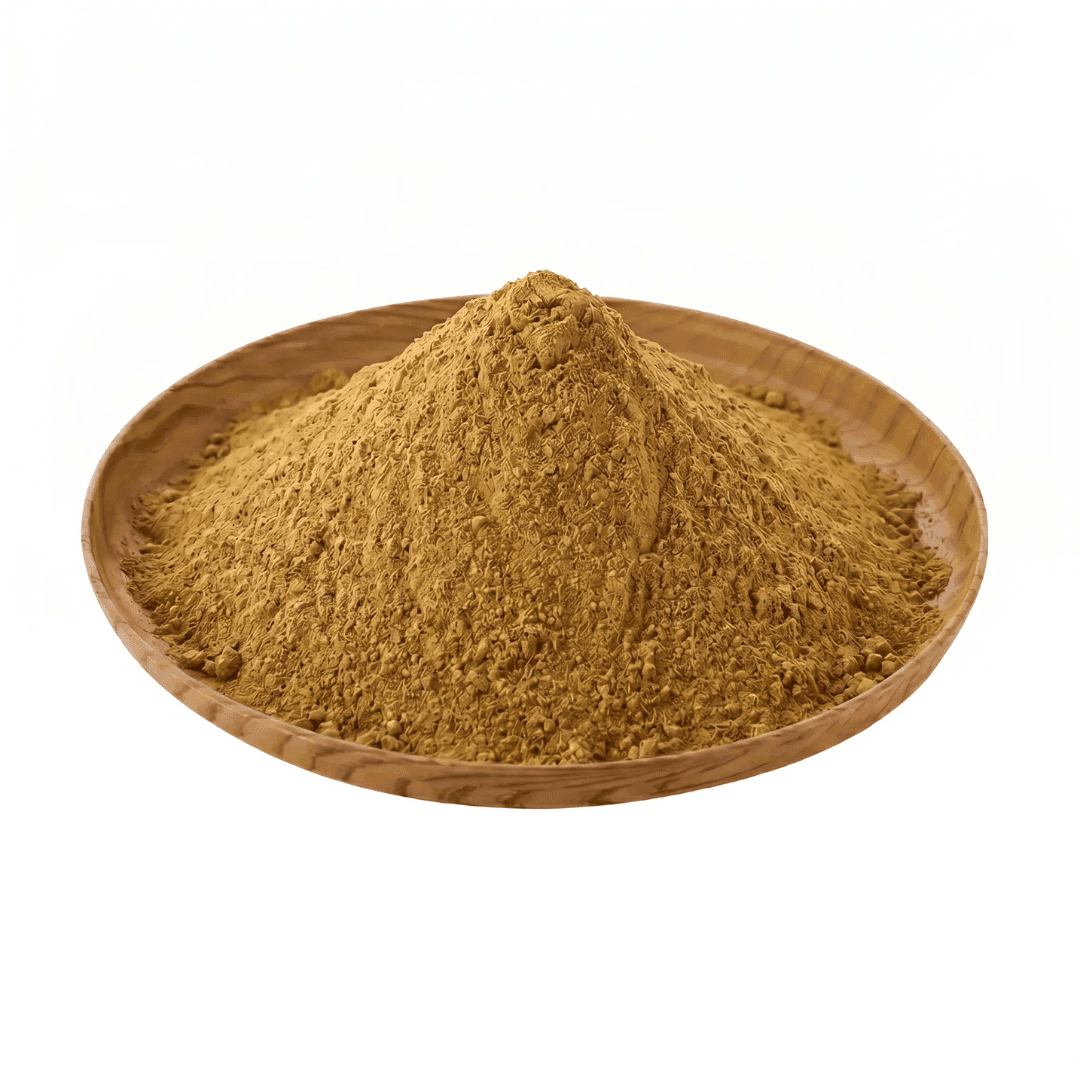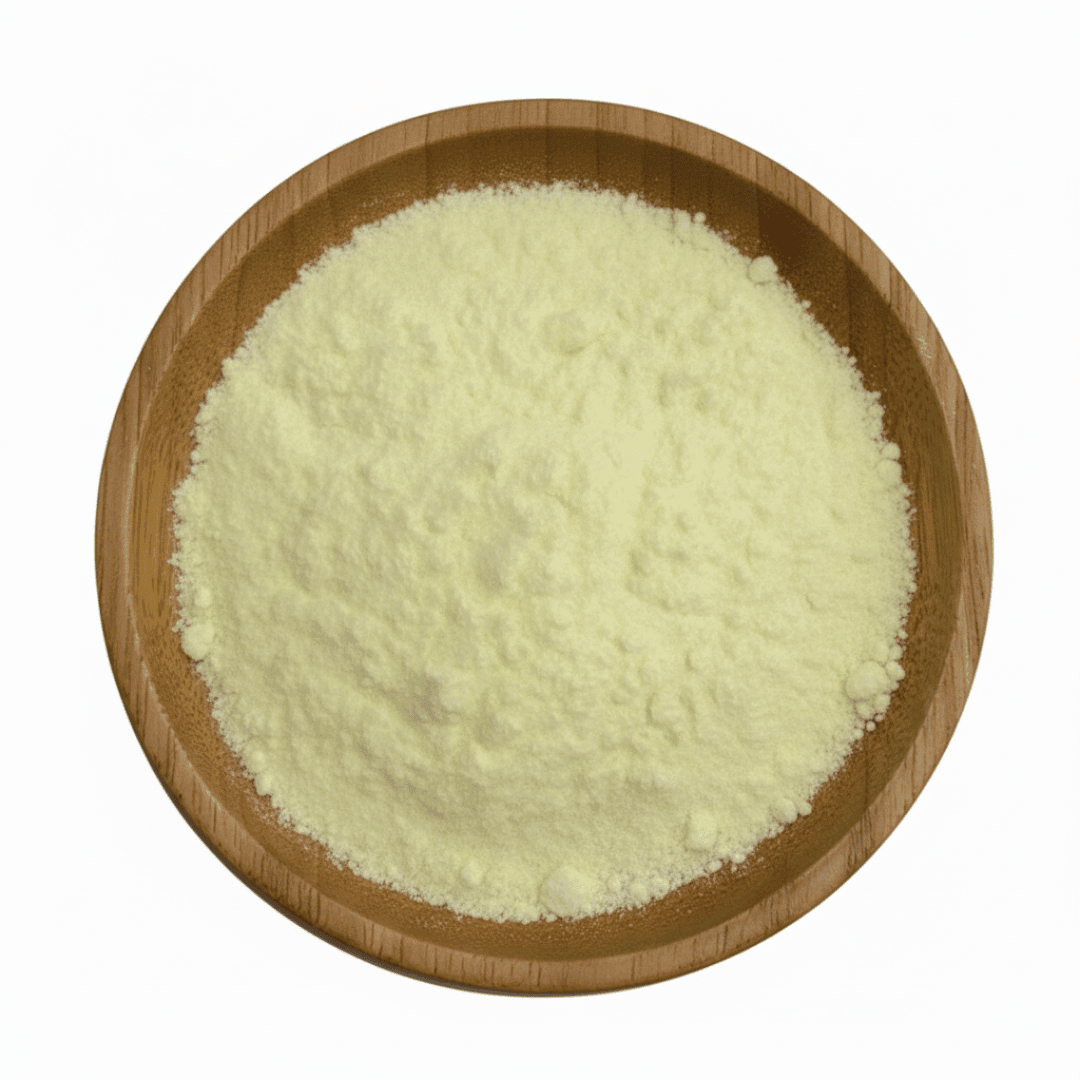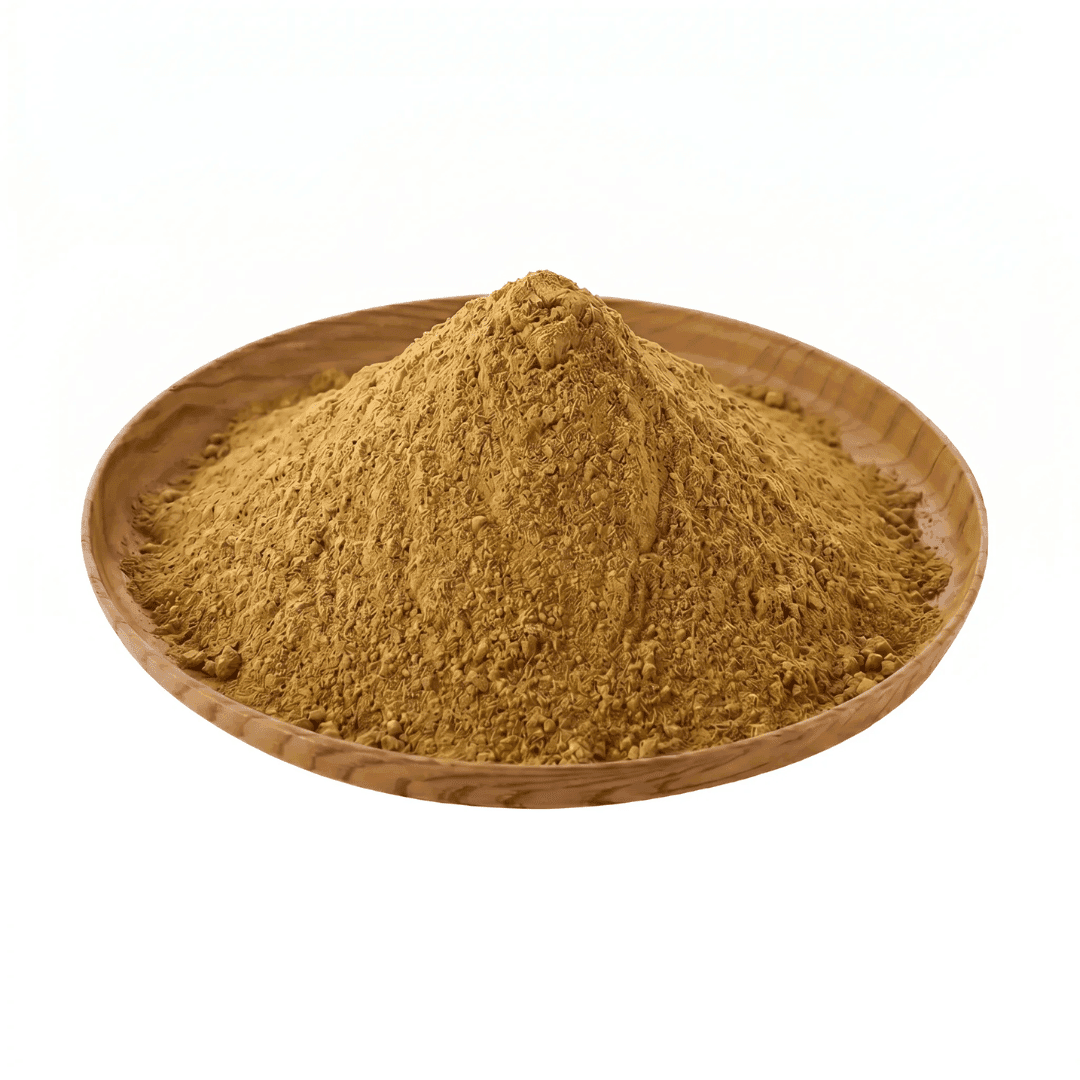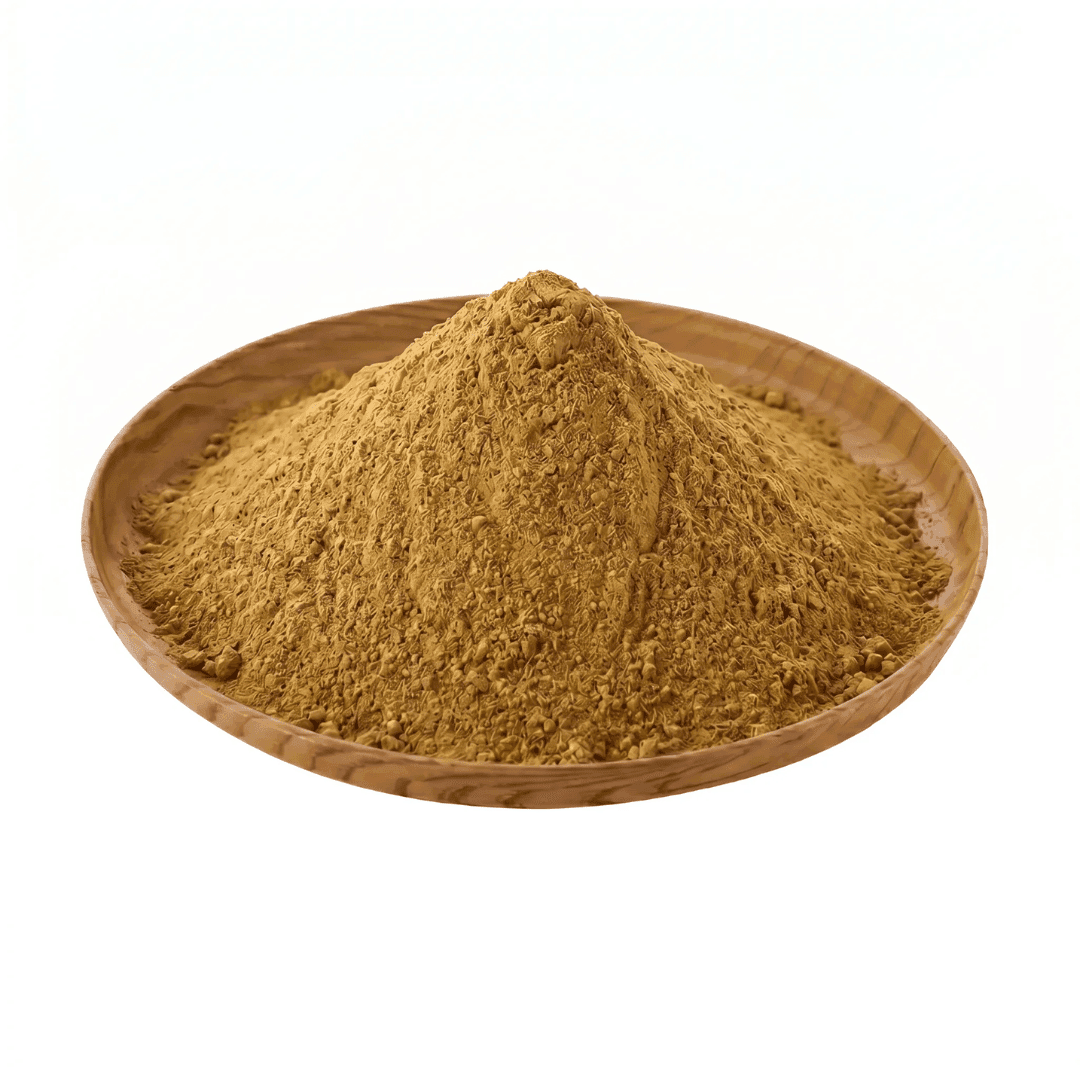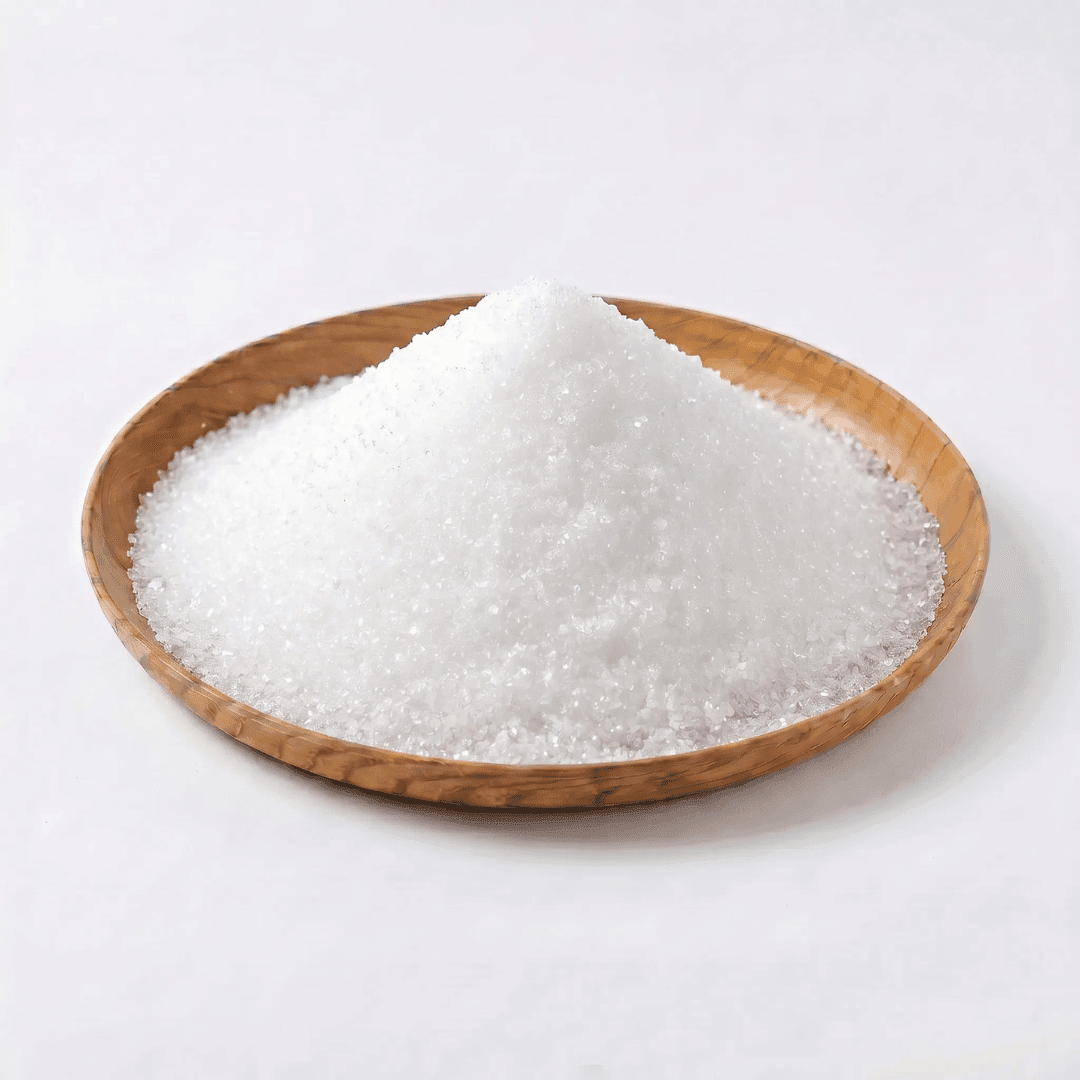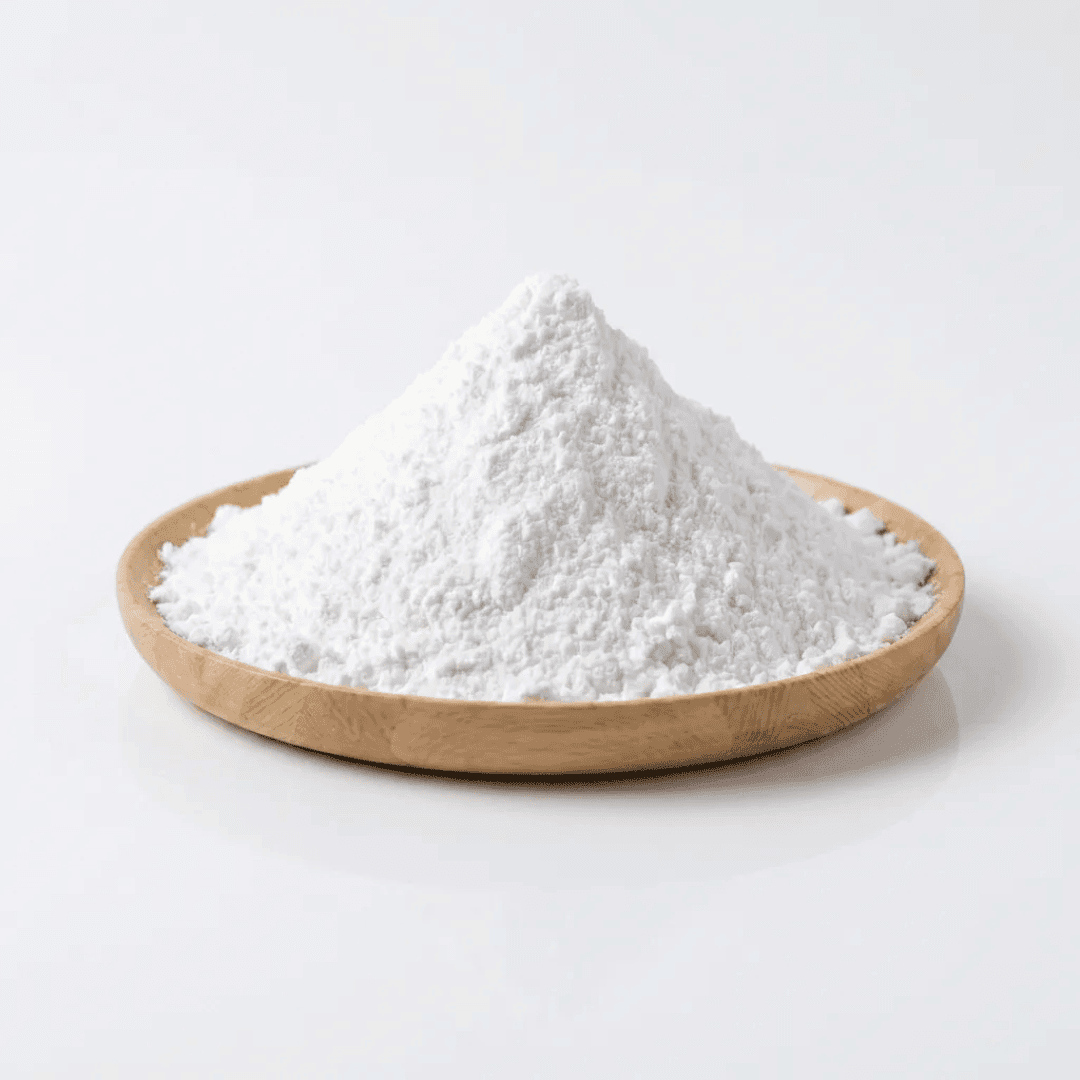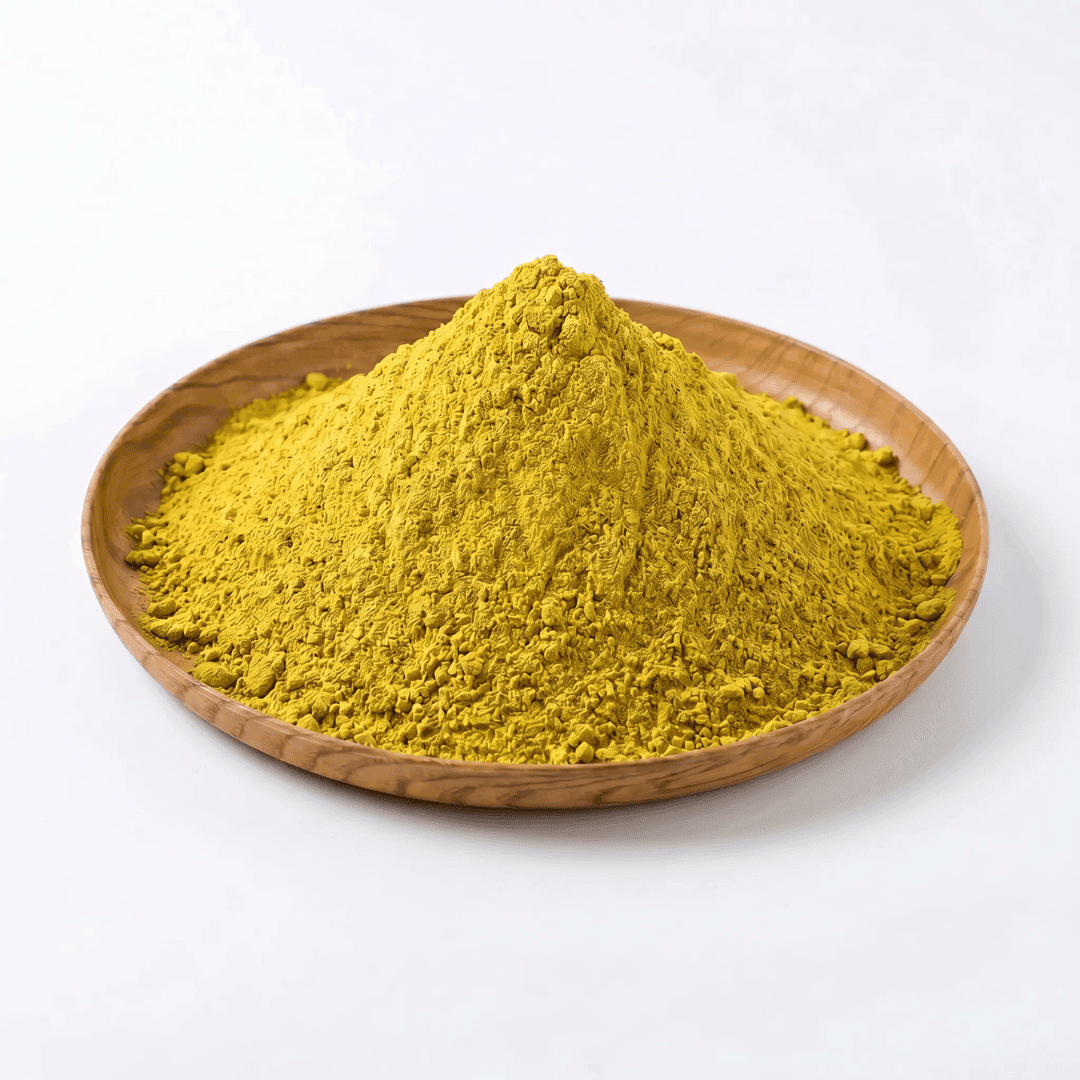
Kaempferol Extract Powder is commonly referred to as kaempferia galanga phenol-3, kaempferia galanga element, kaempferia galanga flavonol, or 4-hydroxyflavone. Its molecular formula is C₁₅H₁₀O₆, classifying it as a flavonoid compound with a relative molecular mass of 286.23. In its pure monomeric form, it appears as a yellow crystalline powder with a melting point of 276–278 °C. It is sparingly soluble in water but dissolves readily in hot ethanol, ether, and alkaline solutions. This compound is primarily obtained from the rhizomes of Kaempferia galanga L. (ginger family) and is widely distributed across many fruits, vegetables, and beverages. Pure kaempferol has been isolated from sources such as tea, broccoli, witch hazel, propolis, grapefruit, and other green plants. It has attracted significant attention due to its anticancer, anti-inflammatory, antioxidant, antibacterial, and antiviral properties.
| Items | Specification | Result | Method |
|---|---|---|---|
| Identity Confirmation | Matches reference standard | Complies | HPLC |
| Kaempferol Content | ≥98% | 98.05% | HPLC (dry basis) |
| Organoleptic | |||
| Appearance | Fine powder | Complies | Visual |
| Colour | Light yellow | Complies | Visual |
| Odour | Characteristic | Complies | Organoleptic |
| Taste | Characteristic | Complies | Organoleptic |
| Physical Characteristics | |||
| Particle size (80 mesh) | 100% passes through | Complies | Sieve test |
| Loss on Drying | ≤5.0% | 1.52% | Gravimetric |
| Solubility (Tonality) | Dissolves completely in warm water; slight turbidity and precipitate allowed, no scorched particles | Complies | In-house standard |
| Impurities | Free from visible foreign matter, charred particles and black specks | Complies | In-house standard |
| Morphology | Free from visible foreign matter, charred particles and black specks | Complies | In-house standard |
| Microbiological Tests | |||
| Total Plate Count | n=5, c=2, m=10³, M=5×10⁴ | Complies | GB4789.2-2016 |
| Coliforms | n=5, c=2, m=10, M=10² | Complies | GB4789.3 |
| Total Yeast | ≤50 cfu/g | <10 cfu/g | GB4789.15 |
Functional Properties
- Dihydroquercetin is non-mutagenic and exhibits low toxicity relative to quercetin. It serves as a potential chemopreventive agent by regulating genes through an ARE-dependent mechanism.
- Dihydroquercetin has been shown to suppress ovarian cancer cell growth in a dose-dependent fashion. There is also a strong correlation between the antiproliferative effects of dihydroquercetin derivatives on murine skin fibroblasts and human breast cancer cells.
- Taxifolin inhibits cellular melanogenesis as effectively as arbutin, one of the most widely used skin-lightening agents in cosmetics.
- Dihydroquercetin also enhanced the effectiveness of conventional antibiotics such as levofloxacin and ceftazidime in vitro, indicating potential for combination therapy against methicillin-resistant Staphylococcus aureus.
Applications
- Pharmaceutical industry: Used primarily as an active pharmaceutical ingredient.
- Dietary supplements and functional foods: Formulated into capsules, health foods, nutritional products, and beverages.
- Cosmetics: Employed as a beneficial active in skincare and personal care formulations.
Kaempferol Extract Powder is available from stock for immediate delivery.