1. Introduction of Gastrodin
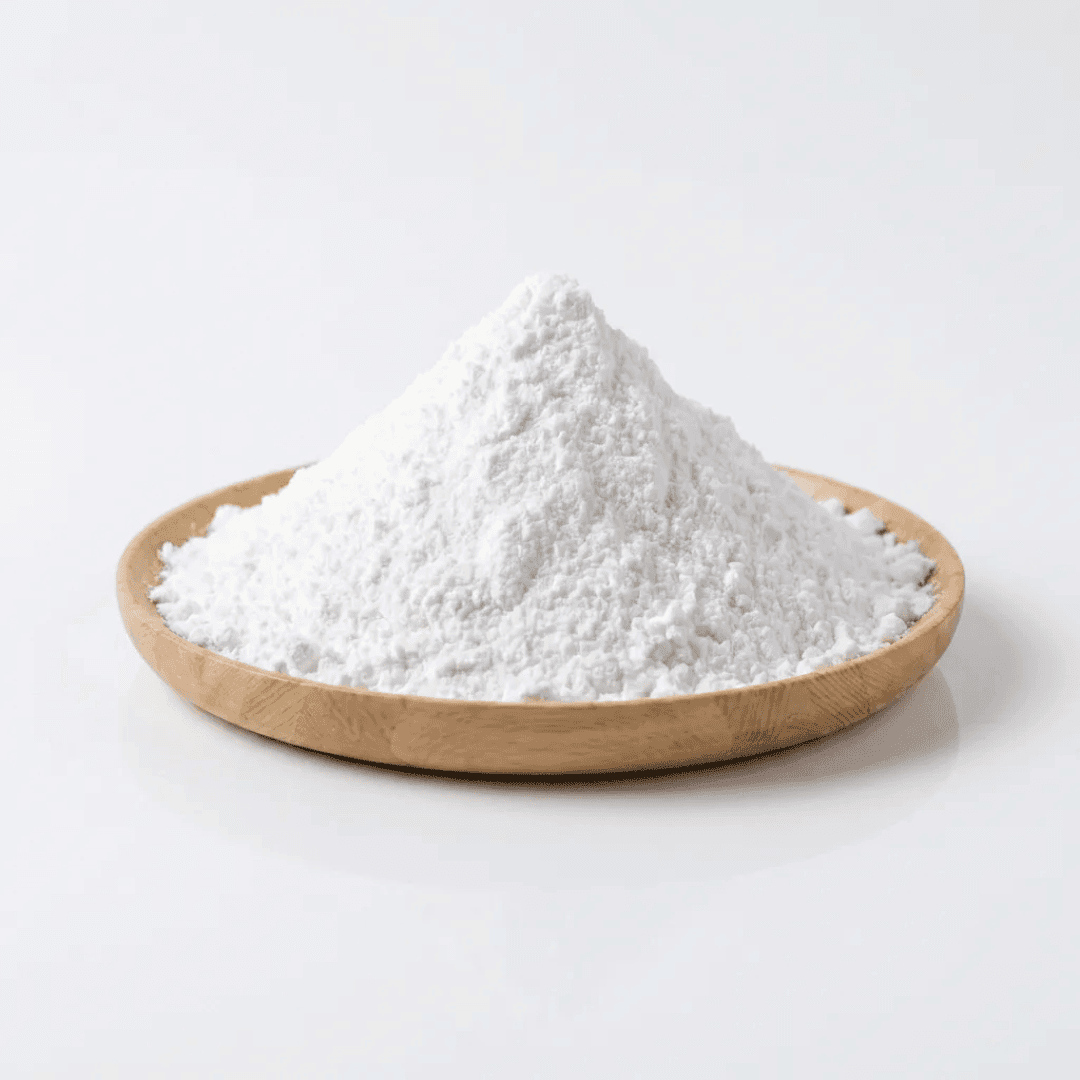
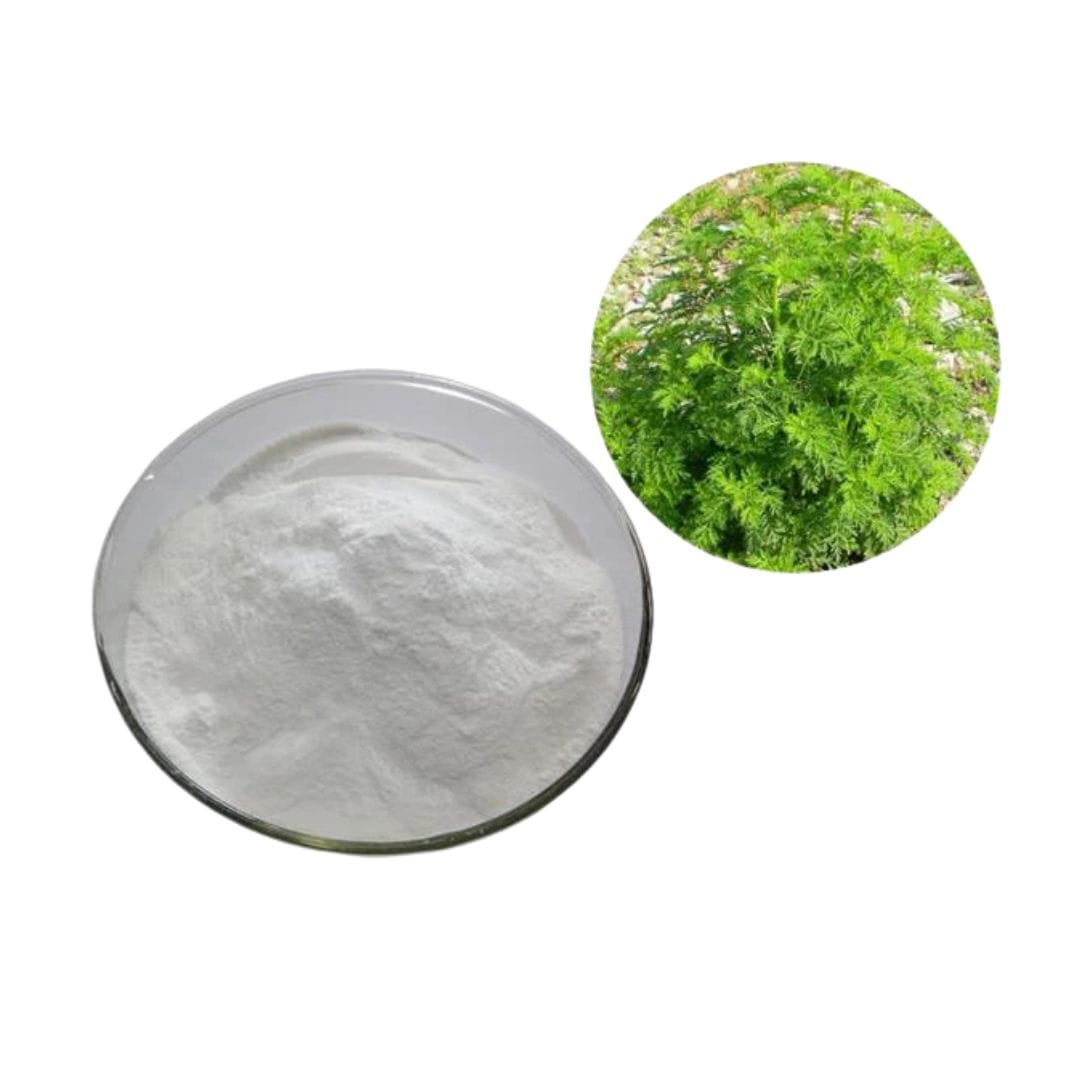
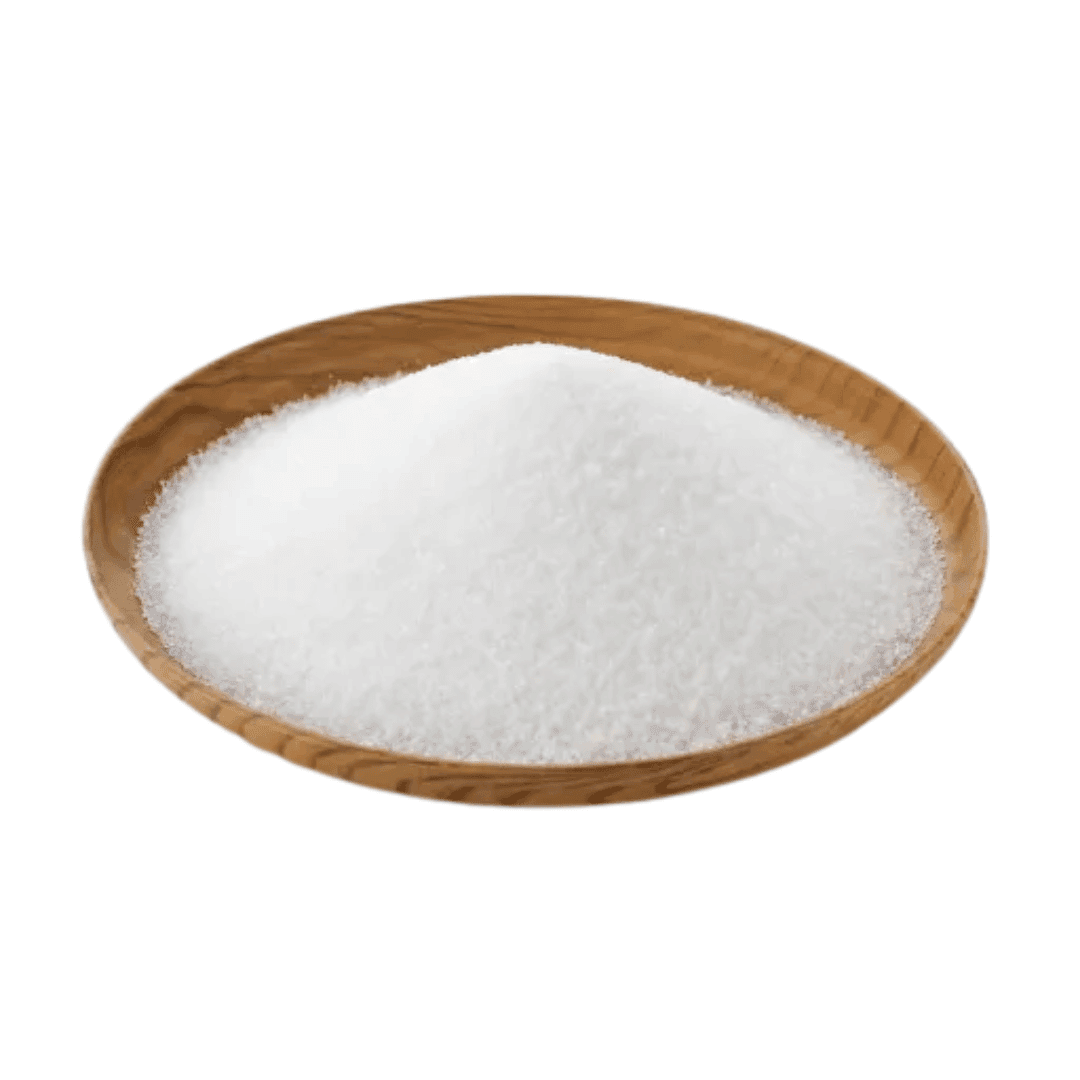
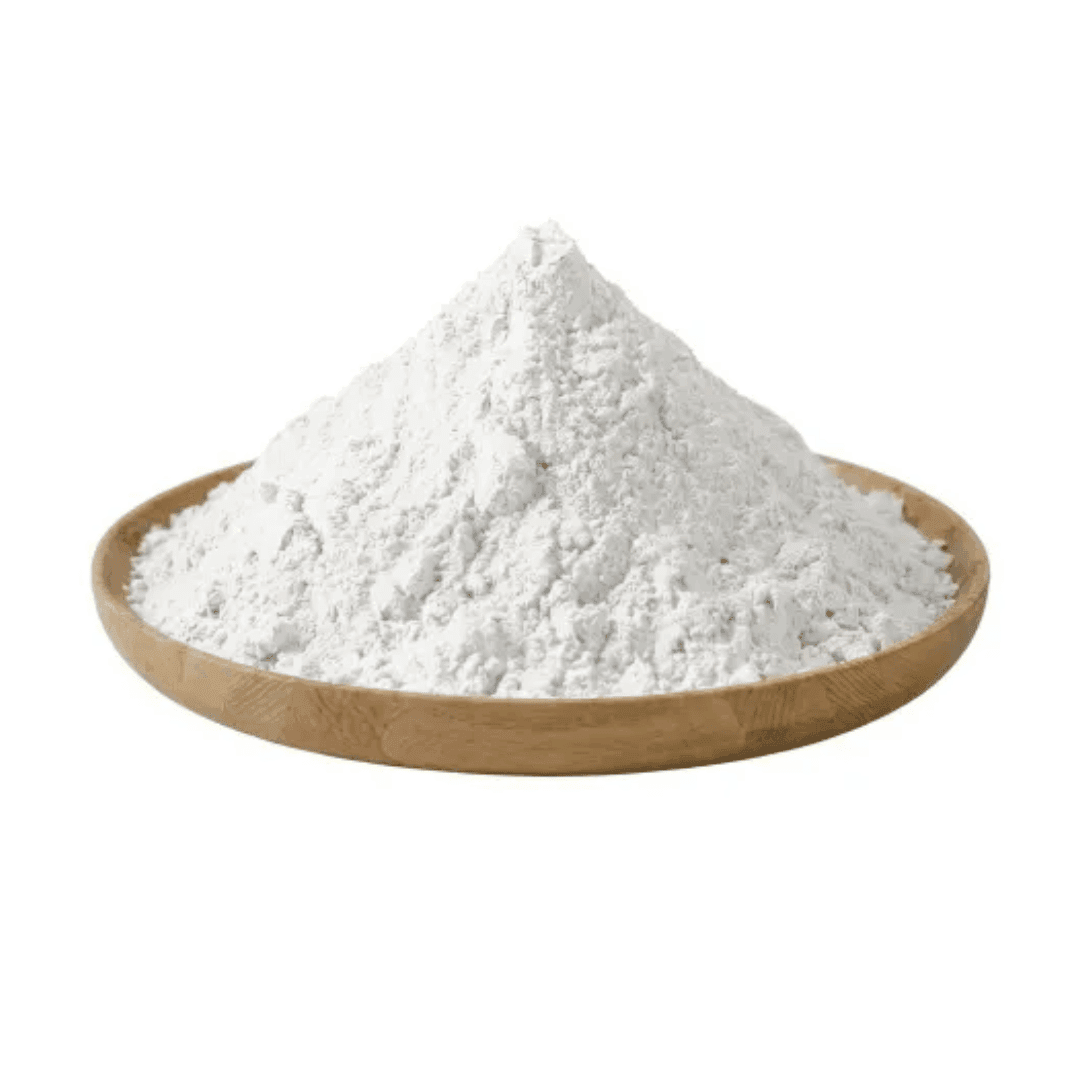
Gastrodin, also known as tianmain or asparagine, is chemically defined as 4-hydroxyphenyl-β-D-glucopyranoside hemihydrate. The active pharmaceutical ingredient is primarily sourced from Yunnan Province, China. Extracted from the dried root tubers of orchidaceous plants, it appears as a white crystalline powder at room temperature. It dissolves in water, methanol, ethanol, acetone, and hot ethyl acetate, but is insoluble in ether. When subjected to hydrolysis with bitter almond enzyme, it yields p-hydroxymethylphenidate glycosides. Gastrodin assists in rebalancing the disrupted cortical processes of excitation and inhibition, delivering marked hypotensive, sedative, and sleep‑promoting effects. It addresses neurasthenia, insomnia, and headaches while also dilating blood vessels, enhancing myocardial microcirculation, relieving cerebral vasospasm, and increasing myocardial nutrient blood flow to improve oxygen supply. Consequently, it serves as a principal remedy for headache, dizziness, limb numbness, and painful convulsions.
2. Basic Information
- Product Name: Gastrodin
- Specification: 98%
- Appearance: White to off‑white powder
- CAS Number: 62499-27-8
- Molecular Weight: 286.28
- Molecular Formula: C₁₃H₁₈O₇
- Melting Point: 132–135 °C
- Solubility: DMSO (slightly, sonicated), Methanol (slightly), Water (slightly, sonicated)
3. Benefits and Functions of Gastrodin
3.1. Neuroprotective properties
The phenolic substances and glycosides found in Gastrodia elata exhibit neuroprotective activity. Gastrodin and 4‑HBA can reduce neuroinflammation by dampening microglial activation and lowering endoplasmic reticulum stress. Additionally, gastrodin shields the brain from methamphetamine‑induced damage to dopaminergic neurons.
3.2. Prevention of neurodegenerative diseases
Under oxygen‑depleted conditions, Gastrodia provides cerebral protection. In stroke models, gastrodin reduced overall tissue damage by 67%. In animal ischemic stroke studies, gastrodin and 4‑HA decreased infarct size and brain edema while improving post‑stroke recovery. Gastrodin may offer benefits in Alzheimer’s disease by helping to diminish amyloid plaques in the brain and mitigating their neurotoxic effects. The herb also helps counteract spinal cord inflammation; the traditional Chinese formula Tianma Gouteng Decoction (GUD) is widely used for spinal cord injury. In Parkinson’s disease models, gastrodin significantly and dose‑dependently protects dopaminergic neurons from neurotoxicity, thereby preventing dopamine depletion.
3.3. Cognitive enhancement
Gastrodin lessens hippocampal inflammation and supports an increase in hippocampal volume. It elevates levels of brain‑derived neurotrophic factor (BDNF) and glial‑derived neurotrophic factor (GDNF). When combined with electroacupuncture, gastrodin reduces Nogo‑A expression. Long‑term administration of gastrodin enhanced learning and memory in rats with memory impairment.
3.4. Potential anti‑epileptic effects
Gastrodin may prevent seizures and excitotoxicity by lowering extracellular glutamate concentrations in the brain.
3.5. Cardiovascular and vascular protection
Gastrodin can guard the heart against myocardial ischemia‑reperfusion injury (MIRI). By helping to preserve normal blood flow, Gastrodia provides protective effects against stroke and heart attack. In traditional Chinese medicine, it is employed for dizziness, anemia, low blood pressure, and palpitations. Gastrodia also lowers high blood pressure and improves blood lipid profiles. Gastrodin may be effective in safeguarding cognitive function in vascular dementia. Through blood flow regulation, it helps treat migraines and headaches. Both gastrodin and polysaccharide 2‑1 demonstrate anticoagulant activity, inhibiting clot formation and lowering the risk of thrombosis.
4. Applications
4.1. Clinical applications
Gastrodin is used to treat dizziness, paralysis, epilepsy, stroke, dementia, and certain chronic inflammatory diseases. It exerts analgesic effects at the spinal cord level against spontaneous pain and mechanical and thermal hyperalgesia triggered by peripheral inflammation. This pain‑relieving action is independent of opioid receptors and does not lead to tolerance. The analgesic mechanism is mediated, at least in part, by blocking acid‑sensitive ion channels to suppress spinal synaptic potentiation.
4.2. Pharmacological applications
Gastrodin or gastrodin powder is utilized in the preparation of anti‑hepatic fibrosis medications. Systematic investigations of liver histopathology, hydroxyproline content, oxidative stress responses, and the degree of liver fibrosis in rats have confirmed that gastrodin possesses significant anti‑fibrotic activity in the liver.
4.3. Cosmetic and beauty applications
Gastrodia elata is a traditional herb long used in Oriental medicine for a wide range of neurological disorders (e.g., paralysis, stroke) and for skin conditions (e.g., atopic dermatitis, eczema). It exhibits a dose‑dependent inhibition of melanin synthesis by suppressing tyrosinase activity, suggesting it may serve as an effective natural skin‑lightening agent in the cosmetic industry.
5. Certificate of Analysis
| ANALYSIS ITEM | SPECIFICATION | RESULT | METHOD |
|---|---|---|---|
| Appearance | White powder | Conforms | Visual |
| Odor | Characteristic | Conforms | Organoleptic |
| Assay (Gastrodin) | ≥98% | 98.23% | HPLC |
| Loss on Drying | ≤4.0% | 2.1% | 105 ℃/3 h |
| Ash | ≤5.00% | 3.29% | Ashing Method |
| Particle Size | 100% pass 80 mesh | Complied | Sieving |
| Residual on Ignition | <1.0% | 0.27% | 750 ℃/5 h |
| Residual Solvent | Meet the requirements | Conforms | SOP/SA/SOP/SUM/304 |
| Pesticide Residue | Meet the requirements | Not detected | SOP/SA/SOP/SUM/304 |
| Heavy Metals | |||
| Total Heavy Metals | ≤10 ppm | Conforms | |
| Arsenic (As) | ≤1 ppm | Conforms | GF AAS |
| Lead (Pb) | ≤2 ppm | Conforms | AFS |
| Cadmium (Cd) | ≤1 ppm | Conforms | AFS |
| Mercury (Hg) | ≤0.1 ppm | Conforms | AFS |
| Microbiological Tests | |||
| Total Plate Count | ≤5000 cfu/g | Conforms | Bacterial culture |
| Total Yeast & Mold | ≤100 cfu/g | Conforms | Bacterial culture |
| E. coli | Negative | Conforms | Bacterial culture |
| Salmonella | Negative | Conforms | Bacterial culture |
The Best Gastrodin Supplier
Plant Extract Supply is a manufacturer with over 17 years of experience exporting herbal extract powders from China.
Plant Extract Supply is a premier manufacturer dedicated to the research, development, production, sale, and service of cosmetic ingredients, healthcare ingredients, fruit & vegetable powders, food additives, active pharmaceutical ingredients (APIs), and Chinese medicine raw materials. We are committed to producing high‑quality, green products that support human health, and we build mutually beneficial, win‑win partnerships as our core development strategy.
We operate two factories covering a total area of approximately 40,000 square meters in Xi’an, Shaanxi, China, with convenient transportation. The facilities are situated near the lush vegetation of the Qinling Mountains, a unique treasury of plant resources, which provides us with premium raw materials.
Why Choose Plant Extract Supply’s Gastrodin?
From raw material selection and extraction to finished products, we manufacture standardized plant extracts in strict compliance with GMP, HACCP, EU & USDA organic, ISO, SC, and SGS requirements. Our products also meet Kosher, Halal, and FDA registration standards.
We offer competitively priced products backed by third‑party inspection reports to ensure safe use worldwide. If you are not completely satisfied with your purchase, we provide hassle‑free returns and exchanges.
Plant Extract Supply maintains a safety stock of more than 300 products, and free samples can be dispatched immediately.
Where to Buy Gastrodin?
Simply send an email to [email protected], or submit your requirements in the form below. We are at your service anytime.